Low Light Houseplants: 4 Easy Plants That Thrive in Shade
Low light houseplants that survive a dim hallway: four shade-tolerant picks, how to read your corner in foot-candles, and why water kills them first.
Key takeaways
- Low light is a range with a floor: about 75 foot-candles at a north window, and roughly 100 foot-candles for twelve hours a day just to keep a foliage plant from declining.
- Snake plant, pothos, ZZ plant and cast iron plant are the four that cope; a fiddle-leaf fig or a monstera in the same corner simply starves.
- In a dim room the plant grows slowly, drinks slowly, and the wet soil that follows is what kills it — not the dark.
- Test the soil two inches down and lift the pot for weight. A dark-hallway pot may want water once a month, and less in winter.
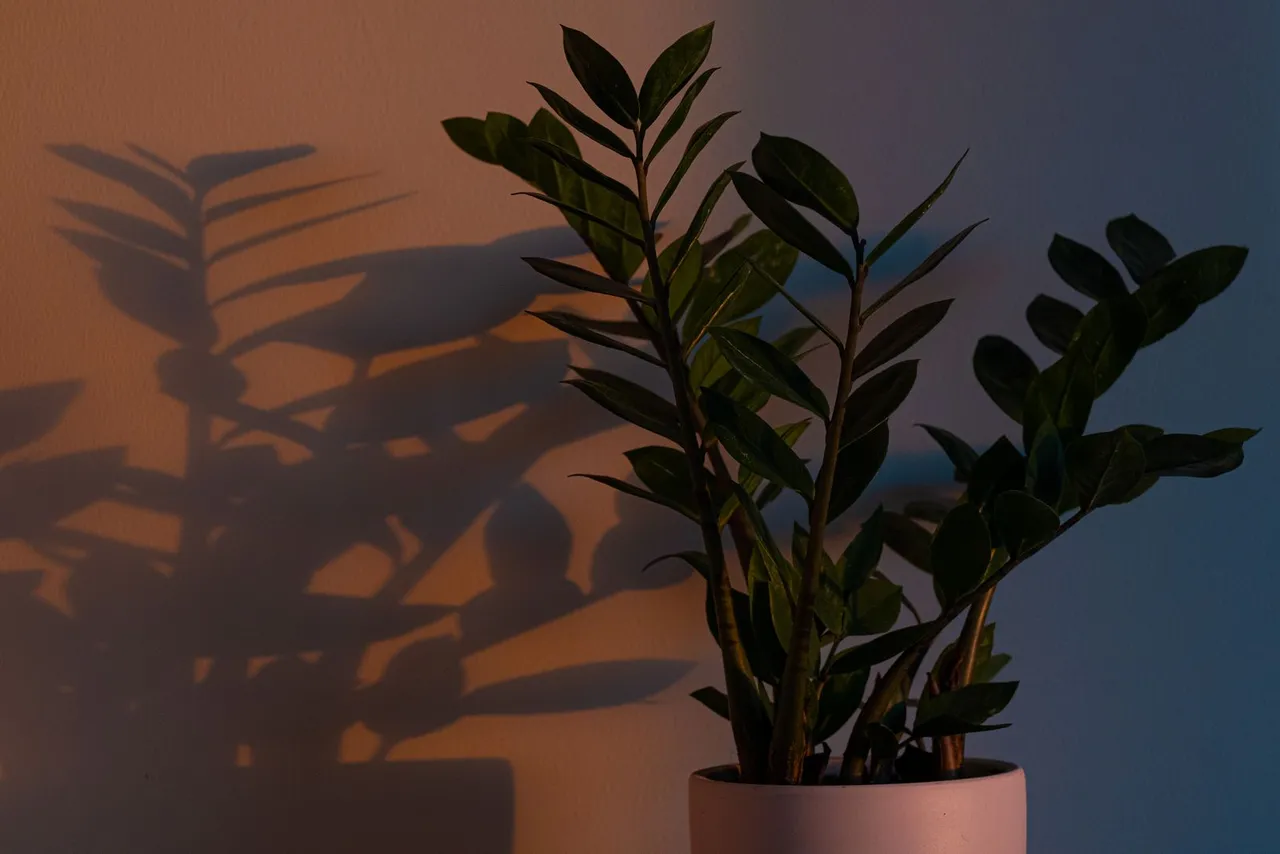
Every home has one: the hallway, the far corner behind the sofa, the stretch beside the front door that never sees direct sun. The best low light houseplants do not merely survive that spot — they are the only plants that will not spend two years dying in it. The difference between a plant that lives there and a plant that rots there is never luck. It is picking a species that evolved on a forest floor, then reading the corner honestly instead of buying the plant you wanted.
I learned this the slow way. The hall in my last flat had one small window at the far end, and over three winters I killed a fiddle-leaf fig, a calathea and a fern in it before I put a light meter on the spot and found I was asking all three to live on under 50 foot-candles. Most low light houseplants fail in a hallway for exactly that reason, and they fail slowly enough that the room looks furnished the whole time. What follows is the method I use now, the four plants that actually cope, and the reason the thing that kills them in a dim room is usually water rather than darkness.
How much light do low light houseplants need?
Low light houseplants need roughly 75 foot-candles at the dim end, and about 100 foot-candles for twelve hours a day as the floor for a foliage plant that is meant to hold its quality for a year.
Those figures come from two extension services that measured them in real homes. Illinois Extension’s lighting guide defines low light as 75 foot-candles — a north window a few feet away, an east or west window three to ten feet into the room, or a south window fifteen to twenty feet back. The same guide puts medium light at 150, bright light at 300, direct sun at 1500, and a bright day outdoors at 10,000 to 12,000.
Clemson’s HGIC 1450 factsheet brackets low light between 75 and 200 foot-candles and adds the number that matters most when you are shopping for houseplants for dark rooms: about 100 foot-candles for twelve hours a day is what is needed simply to maintain plant quality for a year.
That last number is the whole mechanism. A plant is a sugar factory running on light. Below the maintenance threshold it still respires, still loses water through its leaves, still repairs itself, and it makes less sugar than it spends. Nothing dramatic happens. The plant gets thinner, puts out smaller leaves, and stops replacing the ones it drops. The four low light houseplants below are the ones whose forest-floor ancestry lets them run that factory on the least light.
If you want the deeper version of the mechanism — why water use collapses when light does, and why that collapse is what rots the roots — the plant water guide covers it in the order it happens.
Read your hallway before you buy anything
Test the exact spot at pot height, at midday, with the room lights off — a room average tells you nothing about plants for dark corners.
There is a free version and a cheap version, and both are worth doing before you spend money on low light houseplants. The free one: stand at the spot with a book. If you can read ordinary print comfortably at midday without switching a light on, that corner is in the low-light band and a shade plant can live there. If the print is a struggle, you are below the floor: you are choosing between a lamp and a plant that slowly thins. The cheap one: most phones have a light-meter app that reports lux. Divide by 10.76 and you have foot-candles, so 800 lux is about 74 foot-candles, right at the low-light line.
Two things will surprise you the first time you do it. The first is how fast light falls off with distance: Illinois’s own bands show the same window giving low light three to ten feet in and medium light right at the pane, so moving a pot eighteen inches closer to the glass can double what it receives.
The second is that the season moves the number. Illinois notes the sun sits higher in winter, which sends more of it deeper into a room even as the days shorten, so the corner you measured in July is not the corner you have in January. Measure twice, once in each season, and trust the darker reading — that is the reading your low light houseplants will actually live on.
Small lamps do not fix a dark hallway either, which is worth knowing before you buy one. A reading lamp lights a page; it does not deliver 100 foot-candles at a plant a metre away, and the low light houseplants that tolerate shade are slow enough that a decorative bulb changes very little.
The four low light houseplants that actually cope
Four low light houseplants do the work in almost every dim room: snake plant, golden pothos, ZZ plant and cast iron plant.
Clemson’s low-light table lists all four at 100 foot-candles, the bottom of its indoor range, alongside aglaonema, parlor palm and monstera — and the monsteras you see on lists of plants for dark corners are the ones that struggle most of that group.
| Plant | Light it will take | Water in a dim room | The honest catch |
|---|---|---|---|
| Snake plant (Dracaena trifasciata) | Very low light; 2–6 hours of sun is plenty | Once a month in summer, every 1–2 months in winter | Rots at the base if the pot holds water; poisonous to pets |
| Golden pothos (Epipremnum aureum) | Bright light without direct sun, tolerates some shade | When the top two inches are dry, often 3–4 weeks | Thins and loses variegation as light drops |
| ZZ plant (Zamioculcas zamiifolia) | Low light; slow but steady | Every 3–4 weeks; less in winter | New growth is rare in deep shade; leaves sunburn in direct sun |
| Cast iron plant (Aspidistra elatior) | Deep shade — under two hours of direct sun, or none | Regularly spring to autumn, sparingly in winter | Slow to the point of looking static; intolerant of direct sun |
The snake plant is the one to buy first. NC State’s plant profile says it will tolerate very low light, that the soil must drain and that overwatering rots the roots, and that in winter it wants water only every one to two months. It also notes the plant is content around 50°F, which is why a cool hallway suits it better than a warm bathroom.
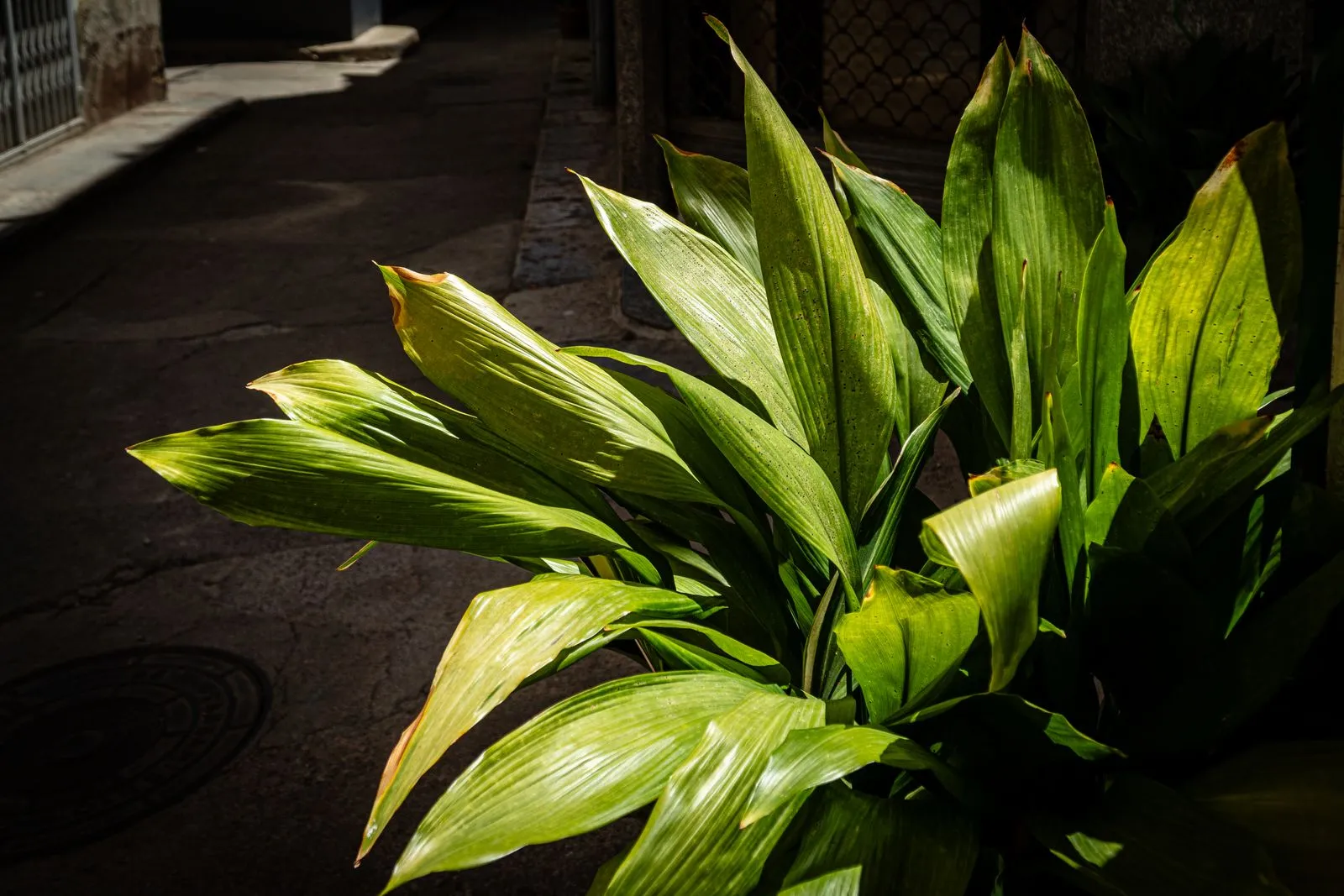
The cast iron plant is the one for the genuinely grim corner. NC State describes Aspidistra elatior as a plant for deep shade — less than two hours of direct sunlight, or none at all — growing in upright clumps to about two feet, slow, and tolerant of dry and nutrient-poor soil. It earned the name barroom plant for surviving exactly the conditions a hallway offers.
Pothos and ZZ plant are the two that look like something. The RHS describes pothos as an evergreen trailer that likes bright light without direct sun and tolerates some shade, with the standing warning to avoid overwatering and keep it away from children and pets. The ZZ plant is slower and glossier; in a hallway it will hold its shape for years, put out a handful of new stems a season, and ask for almost nothing.
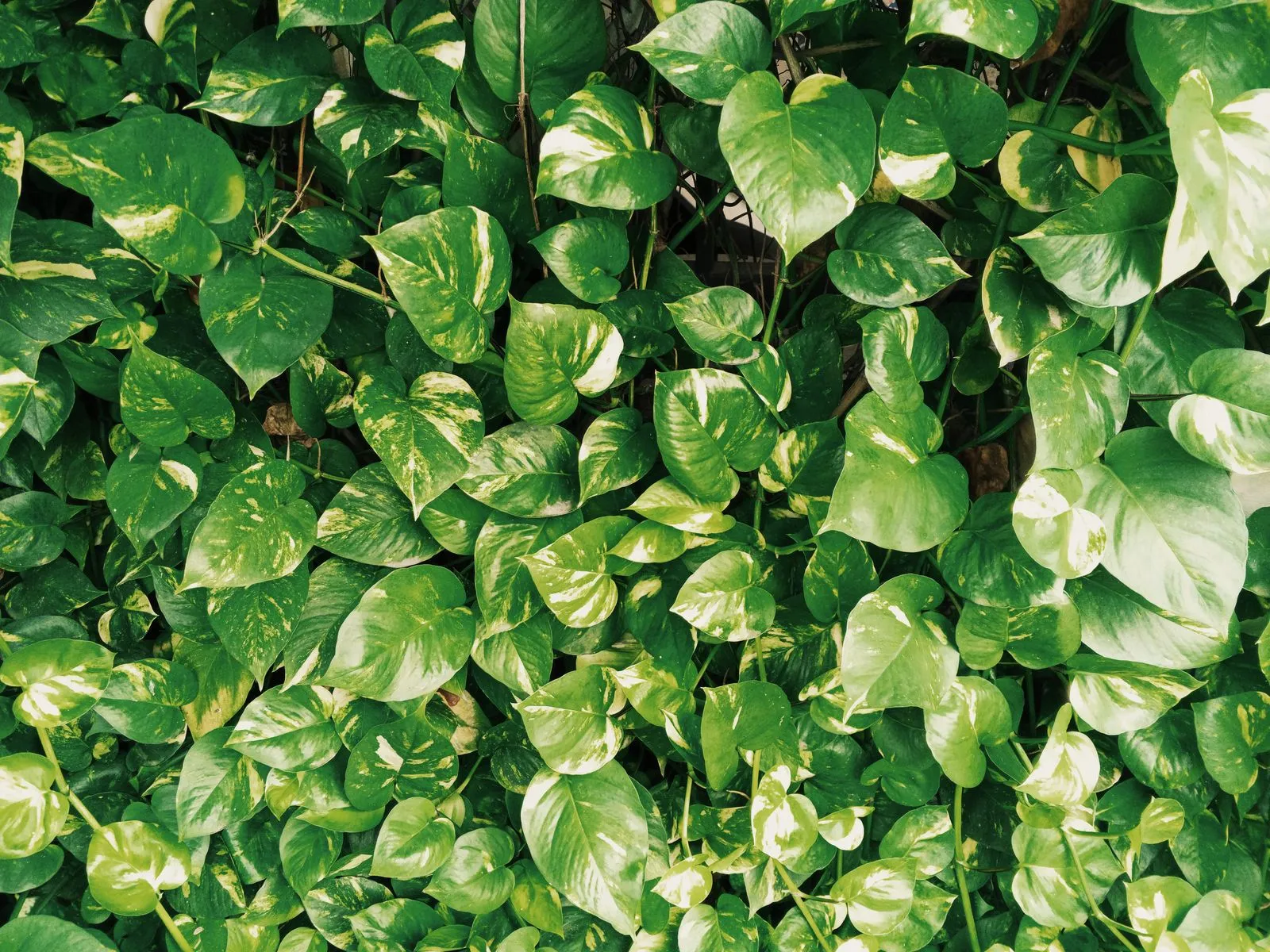
What the four share is not toughness in the abstract. It is a thick leaf, a water-storing stem or rhizome, and a metabolism slow enough that a hundred foot-candles covers the bill. A fig, a calathea or a fern in the same corner has none of those, which is why the plant you love and the corner you have are two separate decisions.
Why water kills them, not darkness
In a dim room, most low light houseplants that die of kindness die of wet soil: low light means slow growth, slow growth means little water used, and soil that stays damp for weeks suffocates the roots.
The chain is worth spelling out because it explains every symptom people blame on darkness. Light drives photosynthesis, photosynthesis drives growth, and growth is what draws water out of the pot.
Cut the light and the draw falls with it. The same plant that emptied a pot in five days on a bright sill may take a month in a hallway, so watering it on the old schedule is not watering the plant — it is filling a bucket with roots in it. Roots need oxygen; saturated soil has none; the fine roots die first, then the base of the stem goes soft and dark, and by the time the leaves yellow the plant has been drowning for a fortnight. NC State’s line for the snake plant is blunt: do not overwater, as the roots will rot.
So the test changes. Push a finger in two inches, not one, and judge the pot by weight as well — a dry pot is conspicuously lighter. Then wait a week longer than feels right. The seasonal arithmetic helps too: NC State has a snake plant on water every one to two months through winter, and has the cast iron plant watered regularly from spring to autumn and sparingly in winter.
Fertilizer follows the same logic, and this is where most plants for dark corners get their second injury. Clemson notes that indoor plants in low light have reduced fertilizer requirements, and adds the threshold that makes the point: foliage plants need at least 200 foot-candles for twelve hours a day before feeding produces any visible benefit. A hallway at 75 foot-candles never gets there, so the salts sit in the soil, raise its conductivity, and burn roots that are already struggling. Feed at half rate, in spring and summer only, or not at all.
The pot rule in a dim room
Choose a pot barely wider than the root ball, with a drainage hole you actually use, and empty the saucer — a generous pot in a dim room is a reservoir with a plant in it. For low light houseplants the pot is a bigger decision than the species, because it decides how long the roots stay wet.
The logic is the same as the watering logic. A large pot holds a lot of wet soil around a small root ball, and in low light nothing is drinking it down. That soil can stay damp for a month, which is the rot arriving slowly enough that you blame the plant. Repot when roots come out of the drainage hole or circle the surface, not because a season has passed, and go up one size rather than two. Of all the advice about plants for dark corners, this is the one that saves the most plants.
Pot material matters less than drainage, but it is not nothing. Unglazed terracotta wicks moisture through its walls and dries faster; glazed ceramic and plastic hold it. In a hallway, plastic is often the kinder choice, because the soil is already drying slowly. If you love a cachepot with no hole, keep the plant in a nursery pot inside it and lift the inner pot out to water — that single habit prevents most of the losses I have made with low light houseplants.
Dust, the quarter turn, and one honest limit
Wipe the leaves every few weeks and turn the pot a quarter turn each time you water — on low light houseplants a dusty leaf is a leaf doing less work, and a plant that never turns grows into the wall.
Clemson’s cleaning guidance is worth reading for the detail: dust and greasy films dull the leaf surface, and clean leaves are more favourable to healthy growth. On a plant working at 75 foot-candles, a film of dust is not cosmetic, it is a further cut to the light supply. Use a damp cloth on smooth leaves and a soft brush on hairy ones, and skip the leaf-shine products entirely.
The honest limit is this: in deep shade these plants hold their shape and stop growing. A snake plant in a hallway may put out two new leaves a year. A cast iron plant may look identical in March and November. That is the plant succeeding, not failing — but if you want visible growth from your low light houseplants, the answer is a brighter spot, not more water or more food.
Signs the corner is too dark
The plant will tell you before it dies: long stems with wide gaps between leaves, new leaves smaller than the old ones, and variegation fading toward plain green.
This is etiolation. The plant spends its scarce sugar on stem to reach the brightest thing it can find, instead of on leaves. It is the same response you see in a seedling on a windowsill, and it is the clearest signal that the spot is darker than the species can handle — the wider guide to reading leaf symptoms covers the rest of the vocabulary.
The fix is positional, not nutritional. Move the pot closer to the glass by a foot or two: Illinois’s distance bands show how steeply the light falls away from a window, so a small move is worth more than any feed. For low light houseplants, position is the only lever that actually changes the light supply. If the plant is already at the window and still stretching, the window itself is the limit, and the next step is a brighter room rather than a bigger pot. Houseplants for dark rooms can also be rotated a quarter turn each month so the reach is spread across the whole plant instead of one long side.
If the hallway has no window
With no daylight at all, the pot needs a lamp on a timer — twelve to sixteen hours a day, and never more than sixteen, because plants need a dark period to respire.
Illinois gives the working range for supplementing light: in low light conditions plants benefit from a longer photoperiod, fourteen to sixteen hours is sufficient, and more than sixteen is counterproductive because the plant needs a rest period. An ordinary cool-white fluorescent tube a foot or two above the foliage is enough for these four species, and a cheap plug-in timer removes the daily decision.
Be clear about what a lamp buys. It keeps a windowless hallway plant alive and holding its shape. It does not make it grow like a plant on a bright sill, and it is worth knowing the difference before you spend the money: the same four species under 150 foot-candles of lamp will look after themselves for years, and a calathea under the same lamp will still sulk.
If there is a window at one end of the hall, spend the effort on moving the pot nearer to it instead. For houseplants for dark rooms that is the cheapest upgrade there is, and it is the cheapest light you will ever give low light houseplants.
A routine that survives a busy month
Once a month, walk the hallway with a finger: test two inches down, water only the pots that come up dry, empty the saucers, wipe the leaves, and give each pot a quarter turn.
That is the whole routine for low light houseplants, and it fits in ten minutes. It replaces every schedule you have been given, because it reads the pot instead of the calendar. If you want the technique in more detail — the slow soak, why bone-dry soil repels water at first, how to tell a thirsty plant from a rotted one — the watering method is written for every room rather than this one, and the shelf guide handles the version of this problem where the light is good but the space is small. More interior planting ideas live under Home and Interiors.
One plant, placed honestly, beats four placed hopefully. A single snake plant near the end of the hall that has a window will do more for that corridor than a shelf of shade-lovers lined up against a wall with nothing behind it. Low light houseplants are not a way to ignore the light in a room — they are a way to work with the little the room has. Read the corner, pick from the four, water less than your instinct says, and the plant will still be there in five years.
QUESTIONS GARDENERS ASK
Common questions
What are the best low light houseplants?
Snake plant, golden pothos, ZZ plant and cast iron plant cope with shade better than almost anything else sold as a houseplant. Clemson Extension rates all four at 100 foot-candles, the bottom of its indoor range, and NC State lists the cast iron plant for deep shade and the snake plant for very low light.
How much light do low light houseplants actually need?
About 75 foot-candles is the textbook low-light figure, and a north window a few feet away gives roughly that. Clemson puts the workable range at 75 to 200 foot-candles and notes that about 100 foot-candles for twelve hours a day is the minimum to hold a foliage plant's quality for a year. Below that, a plant survives on its reserves and slowly thins out.
Can houseplants survive in a hallway with no windows?
Not on daylight alone. Once the only light is a ceiling bulb, nothing in this guide can make food, so the pot needs a lamp left on for twelve to sixteen hours a day, or a regular spell in a brighter room. A hallway with a window at one end will support a plant if the pot sits near that end.
How often should I water houseplants in a dark room?
Less often than any care label suggests. In a dim hallway a snake plant or ZZ plant may want water once a month in summer and once every six to eight weeks in winter. Test two inches down with a finger and lift the pot — a light pot that comes up dry is ready, and a heavy one that comes up damp waits.
Why are my low light houseplants growing tall and thin?
That is etiolation: the plant is stretching its stem toward the brightest thing it can find, spending what little sugar it makes on reach instead of leaves. Move the pot closer to the glass, give it a quarter turn each month, and new growth comes in shorter and denser.
Do low light houseplants need fertilizer?
Rarely, and less than the bottle says. Clemson notes that indoor plants in low light have reduced fertilizer requirements, and that foliage plants need at least 200 foot-candles for twelve hours a day before feeding does them any visible good — a threshold most hallways never reach. Feed at half rate in spring and summer, and not at all in winter.
Which low light houseplants are safe around cats and dogs?
Almost none of the tough ones. NC State lists the snake plant as poisonous if ingested and a problem for cats, dogs and horses, and the RHS notes that sansevieria sap irritates skin. Pothos and ZZ plant are also best kept out of reach. Put them on a shelf or a high plant stand rather than the floor of a hallway pets use.
Will a pothos really grow in a dark corner?
It will hold on, not flourish. The RHS describes pothos as liking bright light without direct sun and tolerating some shade, which is why it survives a dim shelf — with longer gaps between leaves and less variegation. In a hallway, treat it as a plant that stays alive and slowly thins until you move it somewhere brighter.
Sources
- Illinois Extension — Houseplants: Lighting
- Clemson HGIC 1450 — Indoor plants: cleaning, fertilizing, containers and light requirements
- NC State Extension — Dracaena trifasciata (snake plant)
- NC State Extension — Aspidistra elatior (cast iron plant)
- RHS — How to grow sansevierias
- RHS — How to grow epipremnums (pothos)
 Home & Interiors
Indoor Plant Shelf: 5 Simple Rules That Keep Plants Alive
An indoor plant shelf fails on light, water and weight before it fails on taste. Measure the gap, the foot-candles at shelf height and the pot you load on it.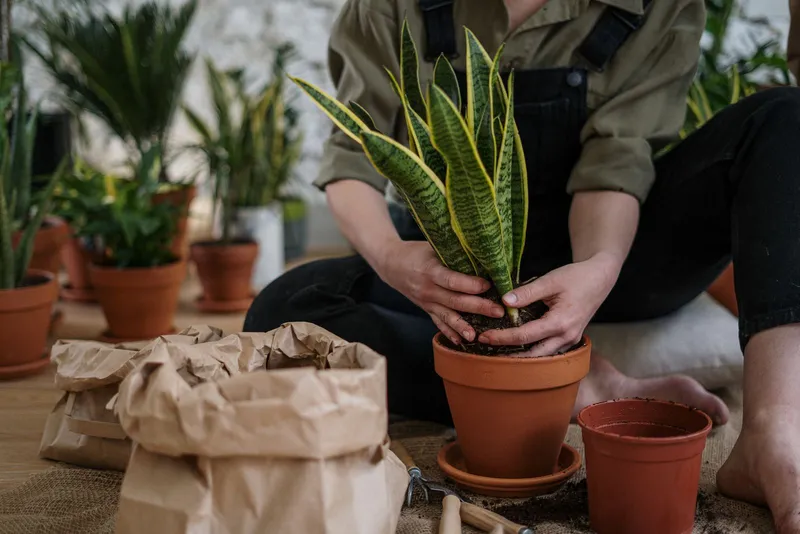 Plants & Care
Snake Plant Care: 5 Simple Rules From 4 Years of Growing
Snake plant care without guesswork: how often to water in summer and winter, why leaves droop, when to repot, and how to propagate a plant you already own. Plants & Care
Yellow Leaves on Plants: 5 Causes and a Simple Test
Yellow leaves on plants are a diagnosis, not a verdict: five causes worth checking, from waterlogged roots to iron locked by pH, and a test that separates them.Reading us often? Add MyGreenyGarden as a preferred source on Google and our guides are more likely to be highlighted when you search.