Balcony Garden Ideas: 7 Simple Setups That Survive Wind
Balcony garden ideas that hold up in real wind: seven container setups sized for weight limits, small water volumes and the light a railing really gets.
Key takeaways
- Weigh the problem before you buy: a 20-inch pot of moist mix and plants can weigh 100 pounds, and it gets heavier every time you water.
- Fix anything that sits above the railing through bolts, not hooks. Wind, not neglect, is what takes pots off balconies.
- In a hot wind a small box can need water twice a day; mulch, empty saucers and a self-watering box each buy you a day.
- One tomato per 5-gallon pot, 5 gallons or more for rosemary and sage, 2 to 5 gallons for basil, thyme and oregano.
- Soilless mix is about 10 pounds per cubic foot dry; garden soil is about 75, which is why dug soil has no place in a balcony box.
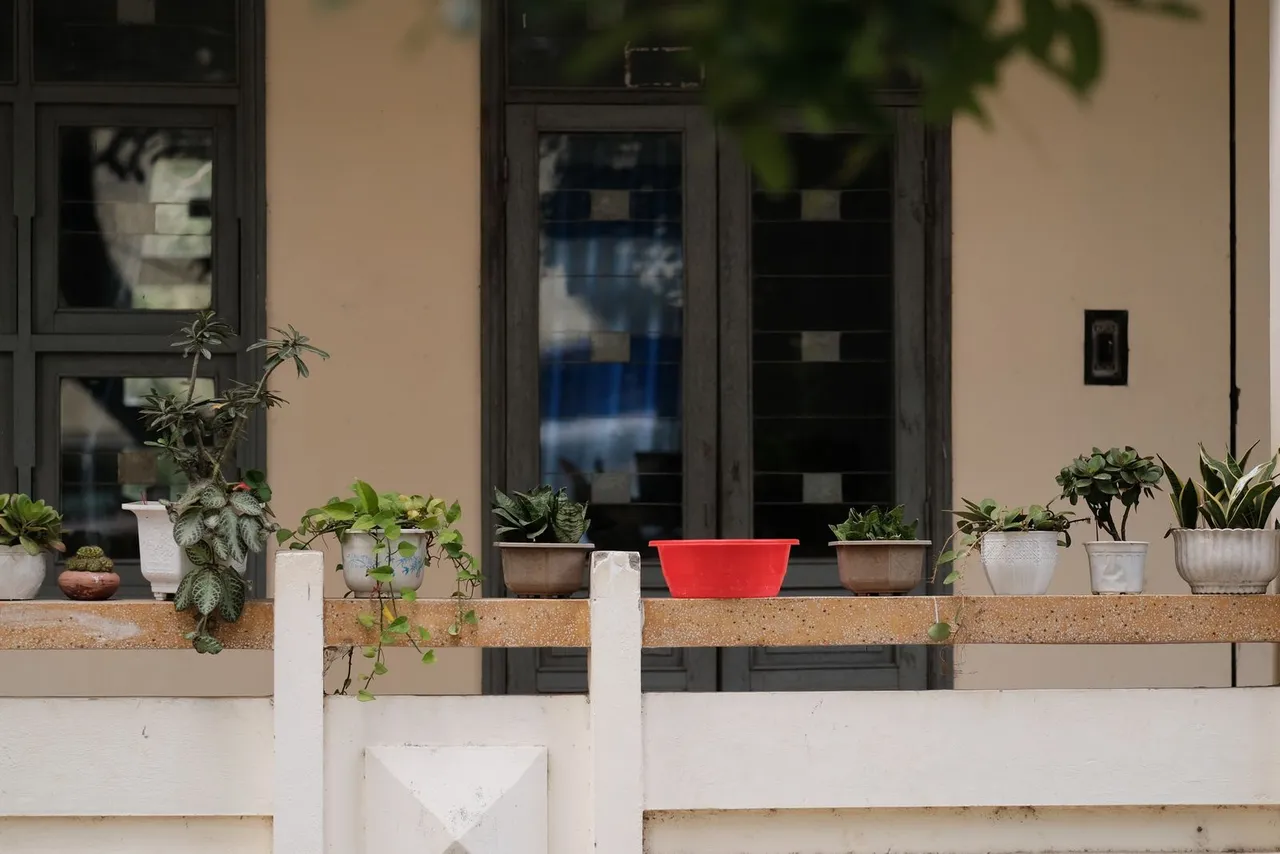
Most balcony garden ideas arrive as photographs of somebody else’s sunshine. What they leave out is the three things that decide whether the plants are still alive in September: how much weight the slab will carry, how hard the wind hits a pot standing above the railing, and how fast a small volume of mix dries once the sun comes round. Balcony garden ideas are easy to copy and hard to keep, because the copy is a picture and the keeping is arithmetic.
I have gardened on a fourth-floor balcony for three summers, and the pots that died did not die of neglect. They died of a gust, of garden soil instead of potting mix, and of a watering can on July’s schedule in November. The balcony garden ideas below are the version of this list I would hand to a friend moving into an apartment with one outdoor wall: seven setups that fit, in the order I would build them, with the numbers that make each one work.
Balcony garden ideas start with the light, not the plant
Every balcony garden ideas list should start here, and almost none do. Measure before you plan. Warm-season crops such as tomato, pepper, eggplant and squash want 6 to 8 hours of direct sun, and cool-season crops such as lettuce, spinach and Asian greens manage on 3 to 5, according to University of Maryland Extension. Four hours of direct sun on a balcony is a herbs-and-lettuce balcony, not a tomato balcony, and no amount of feeding changes that.
The measurement is easy and most people never do it. Set a timer for each hour you are home and note whether the pot’s spot is in sun or shade; a week of notes will tell you more than an afternoon’s guess, because a balcony’s light shifts with the season and with the building opposite.
Two features of a balcony distort the light, both in the same direction. Hard surfaces — brick, stone, concrete, dark decking, metal — absorb and release heat, so the air next to them is warmer than the air two feet out. And the wall itself reflects light back onto the plants in front of it, which is why the pots against the wall often crop better than the ones at the rail.
The rail is the trap, and it is the part of balcony garden ideas that photographs never show. It gets the most sun and the most wind, and those two together are what turn a healthy box into a dry one by Thursday. Sun on a balcony is not evenly distributed; it is concentrated where the reflection lands and removed where the building shades it.
Work out the weight before you buy a pot
A balcony is a floor with a rating, and the rating is not about plants. This is the least popular of all balcony garden ideas and the one that decides the rest. Start with one measured figure: a 20-inch diameter container filled with moist potting mix and plants can weigh 100 pounds, per University of Maryland Extension. That is the empty-pot-plus-soil-plus-water-plus-plant number, and it is the one your slab feels on a Sunday after a soak.
The four weights that decide a balcony container, from University of Maryland Extension:
| What you are weighing | The figure | Why it decides the design |
|---|---|---|
| 20-inch container, planted and watered | about 100 pounds | the load your slab actually feels on a wet Sunday |
| Soilless potting mix, dry | about 10 pounds per cubic foot | the reason a balcony box uses mix, not dug soil |
| Garden soil, dry | about 75 pounds per cubic foot | seven times the load for no drainage benefit |
| Rain-soaked mix | heavier than the dry figure above | water is the third weight, and it arrives on its own |
The mix you fill it with is the second number. Soilless potting mix weighs about 10 pounds per cubic foot dry, and garden soil about 75 pounds per cubic foot, in the same extension guide. That seven-fold difference is why dug soil has no place in a balcony box — not just for drainage, which is the usual argument, but for the load, which is the one that matters on the fourth floor.
Water is the third and the sneakiest. South Dakota State University Extension points out that a 5-gallon bucket half full of water weighs 20 pounds, and a container holds water in the pore spaces of the mix rather than only in a saucer. That is why a pot is heaviest the day it is watered, and why the load your slab carries is a peak, not an average.
Put the three together and the arithmetic stops being abstract, especially in a container vegetable garden, where every pot is a wet load you carried up the stairs yourself. A 2-cubic-foot bag holds just under 15 gallons of mix — a cubic foot is 7.48 gallons — so it fills three 5-gallon buckets, and one bag plus water and one tomato plant can put well over 100 pounds of load in three places on your slab. Fill a 3-foot window box with dug soil and you have put a small car’s worth of weight per square foot along a railing, which is the arithmetic that decides whether a container vegetable garden belongs on it at all.
Only your building knows the number your balcony is rated for. Ask the landlord or building manager, in writing, before any large pot goes out, and take the answer seriously on a suspended balcony — the kind that projects out from the wall with nothing underneath. Then keep the heavy pots close to the wall, where the structure has the most to push against, and move the light ones to the rail.
Weigh one pot and you are done guessing
There is a cheap way to convert all of this into your own numbers. Fill and water one pot, let it drain, then weigh it on a bathroom scale. My 14-inch terracotta pot, watered and planted with a young rosemary, came to 46 pounds; the same pot in dry condition weighed 31. Every other pot on the balcony is now a multiplication problem rather than a guess.
Anchor what the wind can reach
Wind on a balcony is not the wind at street level, which is why some balcony garden ideas thrive in one building and fail in the next. It is squeezed and accelerated by the corners of the building, and it arrives in pulses rather than a steady push. Illinois Extension puts the mechanism plainly — wind is what causes containers to blow over, and the combined weight of container and soil has to be in proportion to the upper part of the plant.
That proportion is where most balcony plantings fail. Maryland’s guide notes that tall plants in relatively small, lightweight containers can be blown over or go top-heavy and topple unless they are well anchored, and that a 5-gallon container wider than it is tall is more stable in a breeze than the same volume in a tall pot.
Material helps. SDSU Extension points out that clay and ceramic pots are heavy and therefore less likely to blow over on windy days, which is why ceramic earns its freight on an exposed balcony and plastic belongs on a sheltered one. A cheap plastic pot plus a leggy plant plus a gust is the standard balcony failure, and it costs more than the pot.
Practical anchoring, in order of reliability: bolt rail brackets through the rail or the wall rather than hooking them over the top; keep tall stems below the rail line where the wall breaks the wind; put a heavy pot inside a light decorative one; and strap a free-standing pot to the rail post with a webbing strap. A cable tie is a temporary answer, not an anchor, and a hook is a lever arm with the wind on the long end.
I lost a plastic pot over the rail this way in my second summer. A leggy trailing plant, a tall 3-gallon pot, a spring gust, and a pot that went end over end into a courtyard nobody was standing in. The plant was replaceable. The argument with the building was not, and the rail now carries a bolted bracket for everything.
Water in small volumes, on a box’s schedule
Watering is where balcony garden ideas meet reality, and it is the part of balcony growing that people underestimate, because a pot looks like a miniature garden and behaves like a wicking sponge. SDSU Extension is blunt about the cadence: containers dry out quickly, and plants may need water daily or even twice a day during hot windy periods if the container is not large enough.
Maryland’s guide reaches the same number from a different direction — some containers will need daily watering when the weather is hot and dry — and Illinois Extension adds the reason a rail box is worse than a floor pot: winds and reflected heat dry the plants faster, so a hanging or rail-mounted box has to be watered more often than the same box on the ground.
Underneath all three is one mechanism. A pot holds a fixed volume of mix, and the plant’s leaf area in July does not shrink because the volume is small. Every hour of sun and every gust of dry wind pulls water out through the leaves, and the mix can only give up what it holds. Wind increases that loss, heat increases it, and a small pot has less to give. The result is a pot that is damp at breakfast and dry at dinner.
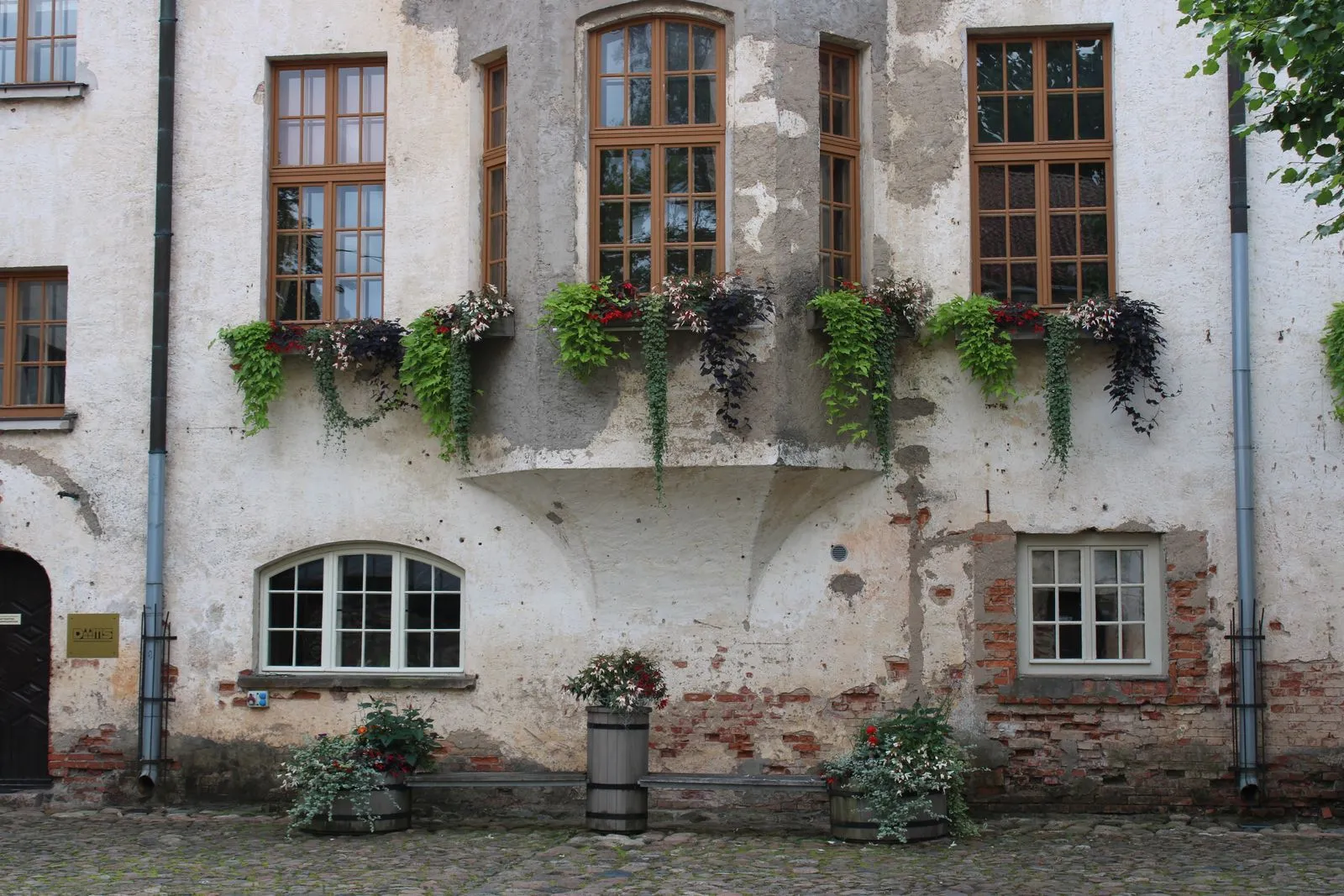
Four things buy time, in order of return. Mulch the top inch of mix with fine bark or straw, which Maryland recommends for reducing evaporation on container crops. Empty the saucer after every watering and after rain, as SDSU advises, so the roots never stand in water. Group pots so their foliage shades each other’s rims. And use a self-watering box where you can: Maryland’s own balcony example is a self-watering window box planted with kale and leaf lettuce, which is the only type of box that still has moisture in it when you get home from work.
The check is the same finger check that works indoors, and the same lift. Push a finger an inch into the mix; if it is damp, wait. If it is dry and the pot feels light, water slowly until it runs out of the drainage holes. Empty saucers, no gravel layer in the base — SDSU explains that a gravel layer creates a perched water table and holds water in the mix above it rather than draining it away.
Then there is the winter error, which I still make. In November the light drops, growth stops, and a plant in a cold pot uses a fraction of what it used in July. Keeping the same weekly soak through winter is how thyme and rosemary drown quietly in a pot that never dries out. Water when the pot is light, and not before.
Seven balcony garden ideas, smallest to largest
Sizes here are the minimums from the extension guides, not aspirations. The balcony garden ideas below are ordered by the space and the work each one takes rather than by how they photograph: start at the top of the list if your space is small, and only move down it as you gain confidence.
1. An herb collection in 2- to 5-gallon pots
Basil, thyme, oregano, mint, tarragon, cilantro and marjoram all crop in 2- to 5-gallon pots, and rosemary, sage, bay, parsley and lavender want 5 gallons or more, per Maryland’s guide. Mint goes in its own pot because it spreads by runners and will fill whatever you give it. This is the setup with the best return per pound of soil: four pots, cut often, feed the kitchen from June to October. Add a window box garden once you know how often you actually water.
2. A window box garden on the rail
A window box garden is the smallest complete unit on this list, and the one that dries out fastest: 3 feet long, 8 to 10 inches deep, and enough for four herbs or a row of lettuce. Mount it through the rail with bolts, line it so the water drains away from the wall rather than down it, and expect to water it more often than anything else you own. It rewards a small space more than any other container, as long as the box is bolted rather than hooked. The window box section below covers the planting density and the fixing.
3. One tomato in a 5-gallon pot
SDSU’s table gives tomato a 5-gallon minimum, one plant per container, with 18 to 24 inches of rooting depth. Choose a bush or determinate variety, plant it deep, and feed it lightly every two weeks through the season, which is Maryland’s recommendation for long-season crops. One plant in a bucket will give you more fruit than three cramped ones, and it will be far easier to keep watered.
4. A salad box that crops in eight weeks
Maryland’s guide gives the whole schedule: a typical salad-green cycle from sowing to clearing is about 8 weeks, and lettuce and other greens can be cut twice per cycle before they need replacing. A box 6 inches deep will carry lettuce, spinach, chard and Asian greens, which are cool-season crops and manage on 3 to 5 hours of direct sun. Sow a short row every three weeks from spring and you have a continuous supply rather than one glut.
5. A shelf or wall grid for herbs and trailers
The vertical space is the part of a balcony nobody uses, and it is where the light is. A shelf at chest height, bolted to the wall, holds small pots at working height and keeps them out of the wind that runs along the floor. Trailing plants such as ivy and nasturtium soften the edge of a shelf without adding top weight, which matters on a railing. If your interest is indoors, plants on a shelf without the clutter covers the same idea for a windowsill.
6. Peppers in self-watering buckets
Peppers take 2 to 5 gallons per plant and crop well in a bucket, and Maryland’s own photographs show single pepper plants in 5-gallon self-watering bucket systems on decks and balconies. Two buckets, two plants, a reservoir that buys you a day in a heat wave, and fruit from midsummer until the nights cool. It is the closest a balcony gets to a self-running container vegetable garden, and the most forgiving food crop on the list for anyone who works away from home.
7. A cold-season box for fall and winter
The seventh setup is the one that keeps the balcony useful when the tomatoes are finished. Kale, chard, spinach and Asian greens are cool-season crops that will crop through fall in a box, and a pot of thyme or rosemary will sit out the winter if it drains. Kale in particular earns its space in a container, and kale in a pot covers the variety choice and the cut-and-come-again harvest.
The window box garden, planted once and watered properly
Every window box garden runs into the same three problems: fixing, volume and drainage. Fixing first, because it is the only one that can hurt somebody. Bolt the bracket through the wall or the rail, not into stucco and not onto a hook, and check that the box itself cannot lift out of its bracket. A full 3-foot box weighs more than most people expect, and Illinois Extension warns that a hanging container may drip on people or possessions below, which is worth considering before you hang it over a doorway.
Wind reaches a rail box from three sides, so a window box garden on a balcony rail loses water faster than the same box under a window indoors, and the reflected heat off a wall behind it doubles the effect.
Volume second, and it is the number every window box garden gets wrong. A box 36 inches long, 8 inches wide and 8 inches deep holds 2,304 cubic inches, which is 1.33 cubic feet — two-thirds of a 2-cubic-foot bag. That is enough for four herb plants, six lettuce plants or a short row of chard at the spacings on the seed packet, and not enough for a tomato. Fill to an inch below the rim so there is somewhere for the water to sit while it soaks in.
Drainage third. Drill or check for holes, put a tray underneath if the wall or the neighbor below will suffer without one, and empty the tray after rain. Then plant it so the box is full within three weeks: an upright plant in the middle, mounding plants either side, and something trailing over the front edge. Water until it runs, and from July expect to do that daily.
A container vegetable garden that fits a railing
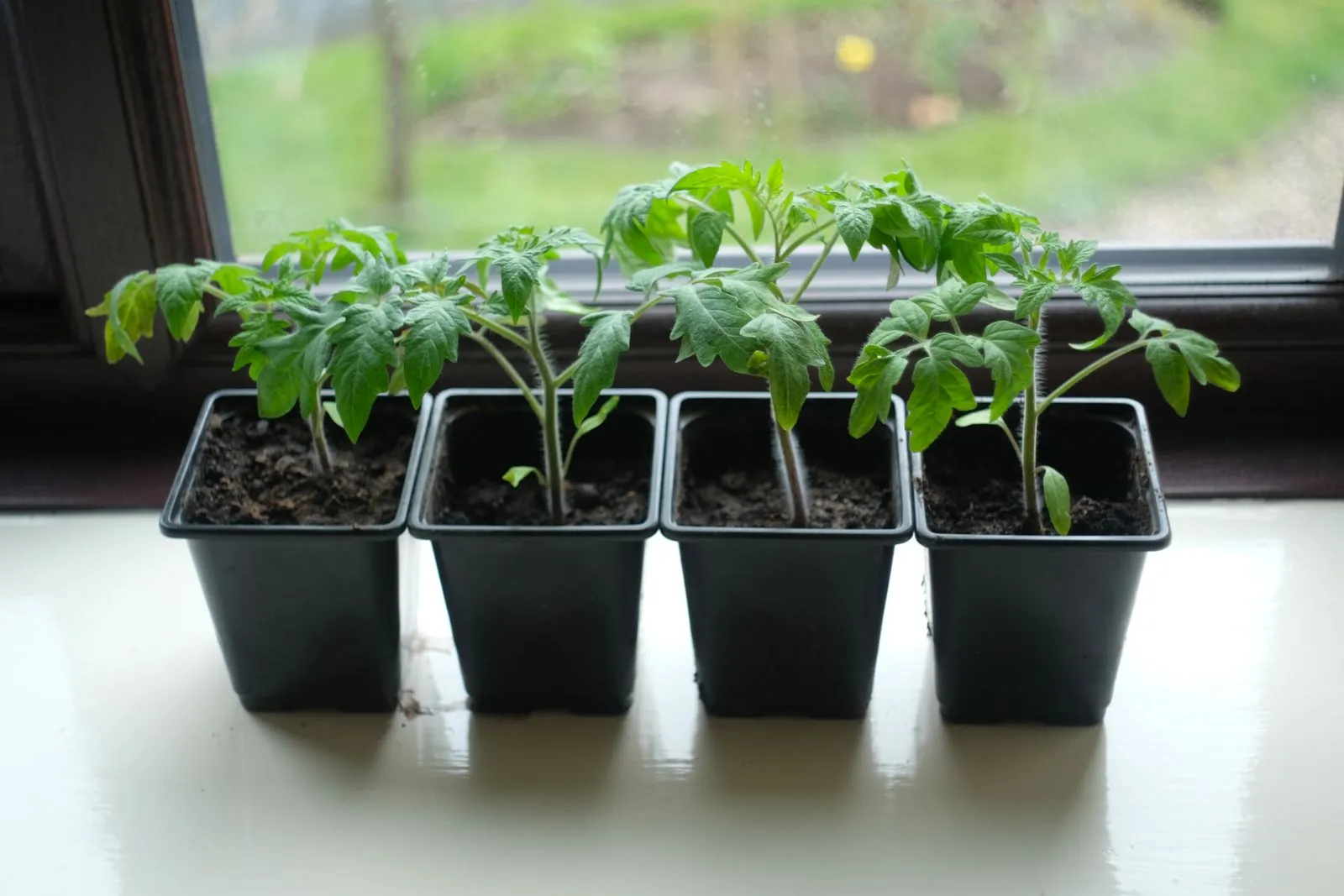
A container vegetable garden on a balcony is a different exercise from one in a yard, and the gap is wider than most balcony garden ideas admit, because the volume is fixed and the wind is not. The rule that matters is SDSU’s: match the size of the container to the size of the plant. Bush and dwarf varieties are the ones that fit — bush cucumber, bush beans, determinate tomato, compact pepper — because vining types will grow past your railing and out of your reach.
Root depth is the second limit of any container vegetable garden. SDSU’s table gives 12 to 18 inches for broccoli, cabbage and beans, and 18 to 24 inches for tomato, cucumber, eggplant, pepper and squash, which means a shallow decorative trough is a salad box and nothing more. If the mix is shallower than the plant’s roots want, no amount of feeding fixes it, and that single limit does more to shape a balcony container vegetable garden than the variety list does.
Timing is the third, and it is the part of planning a container vegetable garden that a balcony gets wrong most often. Germination runs on mix temperature: cabbage-family seed comes up in 2 to 4 days, lettuce in 6 to 10, and spinach, chard, basil and cilantro in 7 to 10, with everything slower below 50°F or above 80°F, according to Maryland’s guide. Container mix also warms faster than garden soil, which is why a balcony box can be sown earlier than the bed below — and why a late frost does more damage to a balcony box than to the bed below.
If you are building soil rather than plants, potting mix, compost and garden soil explains what belongs in a pot and why the cheapest bag is rarely the right one. And if the watering routine is the part you struggle with, the same two signals that work indoors are the ones that work here: how to water houseplants is the same skill at a smaller scale.
Three things I got wrong, and what each one cost
None of these are unusual mistakes. They are what balcony garden ideas look like once the photographs are stripped out.
The first was filling a box with soil from the garden. It weighed roughly seven times what potting mix would have, it drained badly, and it set like a brick by August. Two kale plants died in it before I understood that the problem was the medium and not the watering. The fix cost one bag of soilless mix and a morning of repotting.
The second was keeping July’s watering schedule into winter. A rosemary in a cold pot in December uses a fraction of the water it uses in June, and mine sat wet for two weeks in a pot with one drain hole. Rosemary does not recover from root rot; it goes brown from the base up while the tips still look fine. The cost was a plant I had grown for two years.
The third was a dark plastic pot in full sun against a south wall. Illinois Extension notes that dark containers in intense summer sun get hot enough to damage roots and dry the mix very quickly, and that is exactly what happened: the roots on the sunward side of the pot cooked while the far side stayed damp. A lighter pot, or a wrap of shade cloth, or simply moving it back from the wall would have saved it.
There is a fourth, smaller one worth mentioning because it is so common in balcony garden ideas that copy a yard: watering a little every day instead of properly when the pot needs it. A daily sprinkle keeps the surface damp and the subsoil dry, and it trains roots to stay shallow where they dry fastest. Water fully, then wait.
The order to do it in
Measure the light for a week. Ask the building what the balcony is rated for. Weigh one watered pot. Buy two 5-gallon pots and one rail box rather than seven small ones, fix the box with bolts, fill everything with soilless mix, and mulch the tops. Plant herbs first because they pay you back in six weeks, then salad, then one tomato, and add the cold-season box in late summer.
That is the whole of it, and it is a plan that fits a single afternoon. The balcony garden ideas that survive a season are almost always the boring ones: fewer pots, bigger volumes, bolted fixings and a full watering can.
A window box garden, one 5-gallon tomato pot and an herb shelf will keep a kitchen in greens from May to October. A balcony garden is not a smaller version of a backyard; it is a container garden with a load limit and a wind problem, and both of those are easier to solve before the first bag of soil comes up the stairs.
If your space is floor rather than rail, a small patio that feels like a garden room applies the same three moves to a few square feet of paving, and the small-space archive has the rest of the series.
QUESTIONS GARDENERS ASK
Common questions
How do I start a balcony garden?
Start with the weight and the wind, not the plants. Measure the light for a week, decide how many wet pots your balcony can carry, then buy two containers rather than seven. A 5-gallon pot of herbs and one 5-gallon pot of tomato will outproduce a dozen small pots that dry out twice a day.
What are the best plants for a balcony garden?
Herbs are the best value: basil, thyme, oregano and mint all crop heavily in 2- to 5-gallon pots, and rosemary, sage and bay want 5 gallons or more. For food, bush tomatoes, peppers, kale, chard and cut-and-come-again lettuce are the crops that fit a balcony's light and root depth.
How much weight can a balcony hold?
That number belongs to your building, not to an article. It is set by the structure and recorded in the plans, so ask your landlord or building manager before you fill large pots. What can be measured is the load: a 20-inch container of moist potting mix and plants weighs around 100 pounds, and a suspended balcony that projects from the wall is the one to ask hardest about.
How often should I water plants on a balcony?
Check daily in summer and expect the answer to change weekly. A small box in full sun and wind can need water twice a day in a heatwave and once every three days in cool cloudy weather. Push a finger into the mix, or lift the pot and feel the weight, then water until it runs from the drainage holes.
Can you grow vegetables on a balcony?
Yes, if you choose bush and dwarf varieties and give each plant the root volume it needs. A tomato wants a 5-gallon pot to itself with 18 to 24 inches of rooting depth, peppers and bush cucumbers take 2 to 5 gallons, and salad greens will crop in a box 6 inches deep. Full-size vining crops will not fit.
How do I plant a window box?
Fix the box through the wall or the rail bracket with bolts, not hooks, then fill it with fresh soilless mix to about an inch below the rim. Plant tightly enough that the foliage meets within three weeks, water until it drains, and empty the saucer or tray so the roots never stand in water.
What should I put in a window box?
For a kitchen box, herbs: basil, chives, parsley and thyme, with mint in its own pot because it spreads. For a summer display, upright foliage in the middle, mounding plants around it and something trailing over the front edge. Avoid tall, top-heavy plants in an exposed box, because wind levers them out of the mix.
How do I stop pots blowing over on a balcony?
Lower the centre of gravity and anchor what cannot be lowered. Use wider-than-tall pots, heavier materials such as glazed ceramic or timber for tall plants, and fix rail boxes and wall brackets with bolts through the structure. Nothing above the railing should be held by a hook, a cable tie or its own weight.
Sources
- University of Maryland Extension — Growing Vegetables in Containers and Salad Tables
- Illinois Extension — Container Material Choices
- Illinois Extension — Container Gardens
- South Dakota State University Extension — Gardening in Raised Beds and Containers in the Northern Great Plains (P-00301)
- University of Georgia Extension — Gardening in Containers (C787)
 Small Spaces
Growing Kale in Pots: 5 Gallons and 4 Easy Cuts
Growing kale in pots, done properly: the 5-gallon rule, a cut-and-come-again harvest schedule that keeps plants cropping for months, and a 2027 calendar.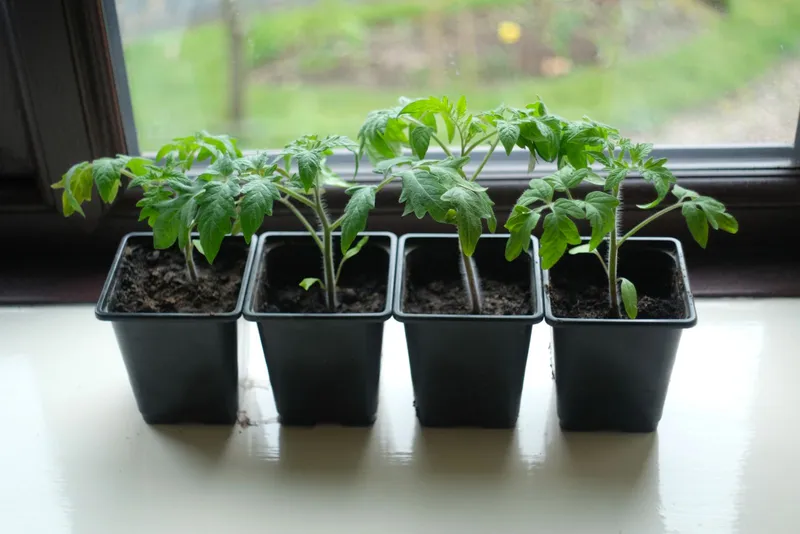 Outdoor Spaces
Growing Tomatoes in Containers: 5 Simple Rules for Pots
Growing tomatoes in containers works when the pot is measured in gallons: minimum pot volume, watering a small root zone, and varieties that fit a pot.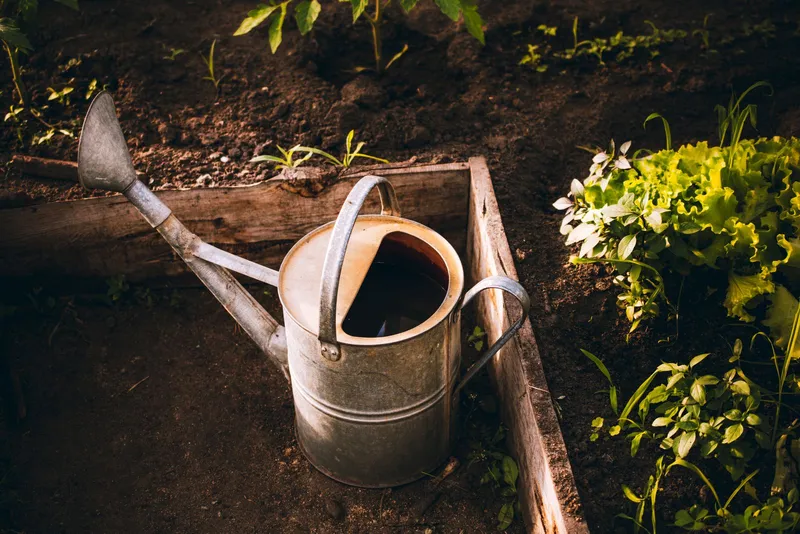 Outdoor Spaces
How to Build a Raised Garden Bed: 6 Simple Steps
How to build a raised garden bed in one weekend: six steps from siting and lumber to a soil mix that drains, plus the 2027 dates to fill it by weather station.Reading us often? Add MyGreenyGarden as a preferred source on Google and our guides are more likely to be highlighted when you search.