No Dig Garden: 6 Simple Steps to Shrink Your Lawn
A no dig garden turns lawn into beds without lifting turf: cardboard, compost and mulch, with a 2027 calendar counted back from your last frost.
Key takeaways
- A no dig garden is grass smothered where it stands: overlapping cardboard, then 10–15 cm of compost, then mulch, and you plant into the top.
- Lay the bed in autumn or late winter. The cardboard needs about 20 weeks to break down, and late winter avoids the nitrogen washout that autumn mulching causes.
- Mow the grass to the ground and overlap every sheet by 8 inches (20 cm). Weeds find any gap, however small.
- Plan on a season of raw edges. The bed looks like cardboard and mulch long before it looks like a garden.
- Quackgrass, bindweed, morning glory and blackberry are not reliably smothered. Take those out by hand first or the bed fails.
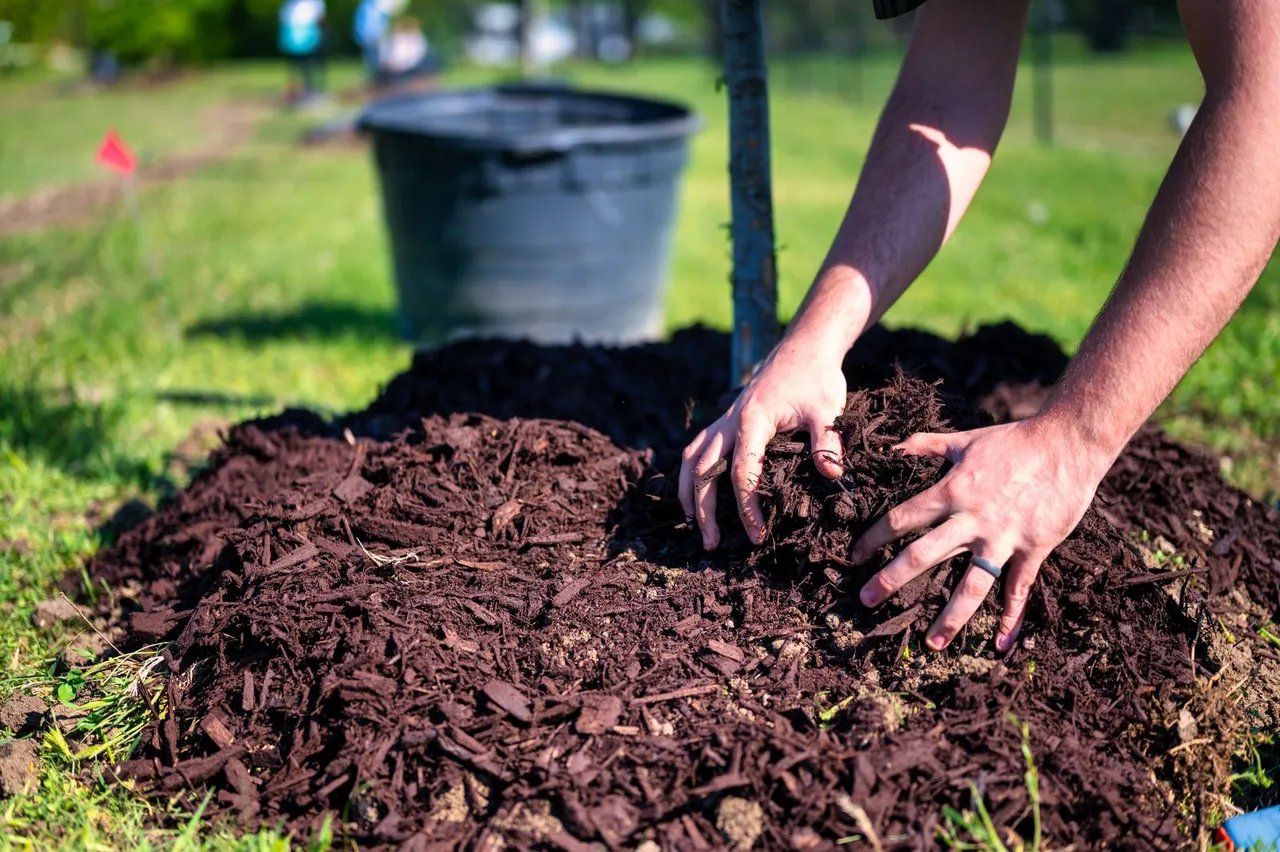
A no dig garden is the cheapest way to shrink a lawn, because you never lift the turf. You smother the grass where it stands, cover it with compost, and plant into the top of it. I have done this along the same 40 feet of fence line twice, and the second time cost one Saturday morning, a winter of waiting, and nothing else.
The technique is sheet mulching, and it is old, unglamorous and extremely well documented by extension services. It is also the point at which most people go wrong, in the same three ways: too much cardboard, not enough overlap, and a bed laid at the wrong time of year. If you have been looking up how to shrink your lawn without a machine, a herbicide or a skip, this is the method, with the 2027 calendar and the failure modes at the end.
What a no dig garden is, and what it is not
A no dig garden is a bed built on top of the ground rather than cut into it. Cardboard goes down over grass or weeds, compost and mulch go on top of the cardboard, and plants go into that top layer. The soil underneath is never turned, lifted or compacted.
It is not a raised bed, although it can look like one for the first year. It is not a weed-proof surface: cardboard suppresses most growth, not all of it. And it is not instant. The RHS makes the case for the method on soil grounds rather than convenience — digging, in its words, destroys the natural drainage channels made by worms, disturbs fungal networks and releases carbon locked in the soil — but the payoff is a bed that behaves like soil from the start.
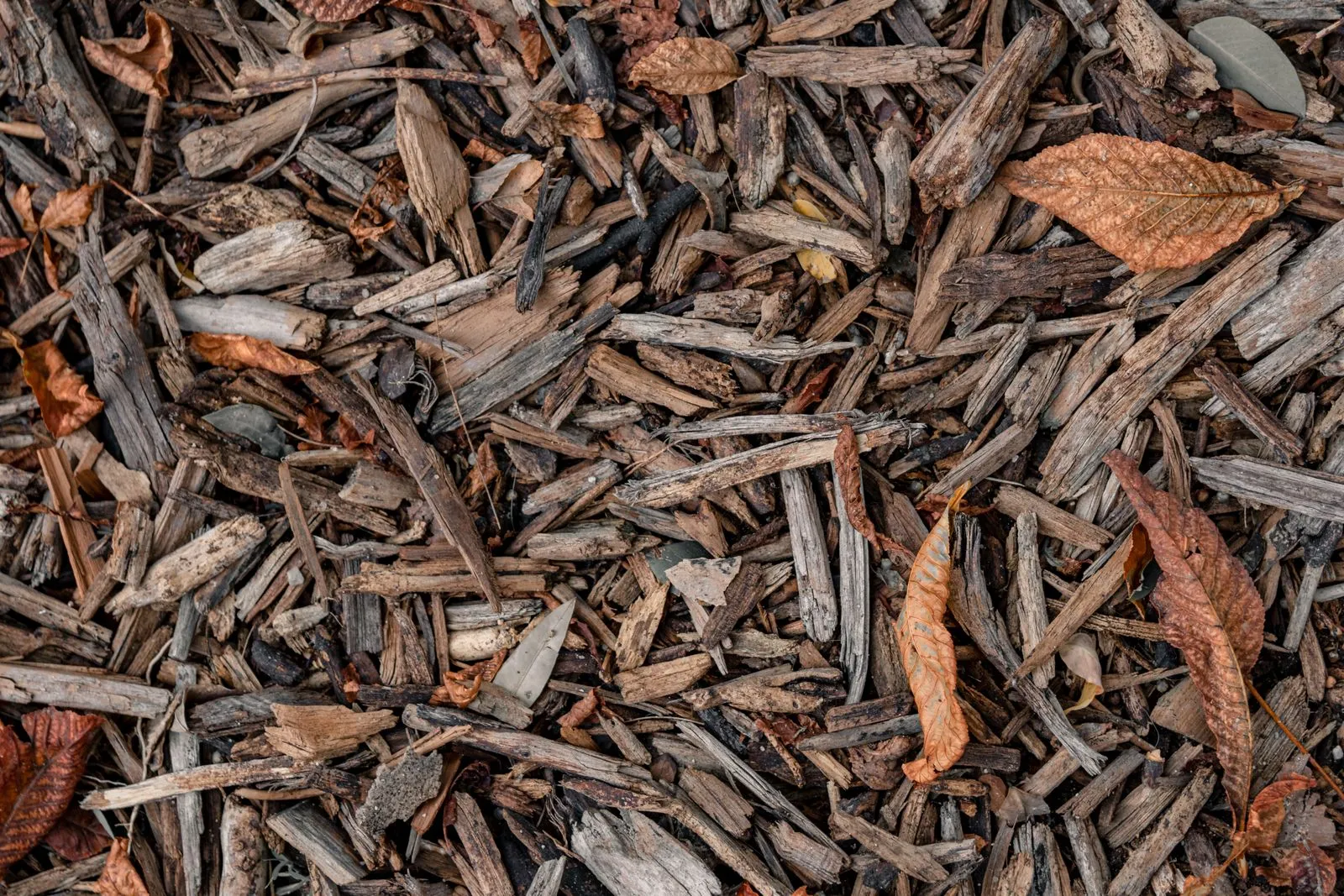
The material list is short and mostly free. Plain brown corrugated cardboard, from shipping boxes, moving boxes or appliance cartons. Compost or well-rotted manure. Mulch, which can be wood chips, shredded bark or fallen leaves. Water. A hose or a line of sand for marking the edge, if you want a clean one. Everything a no dig garden needs is either free or already in the garden.
Why the sheet mulching method works
Sheet mulching works because it removes the one thing grass cannot do without: light. Oregon State University Extension describes the mechanism plainly. The cardboard is a barrier that denies existing weeds and weed seeds access to sunlight for photosynthesis, so they weaken and die, and it is then covered with mulch to hold it in place and hide it. That is the whole of sheet mulching: one barrier, one covering, no disturbance.
The second half of the mechanism is the reason not to dig instead. When the cardboard breaks down, worms work it into the soil below and the soil structure you already had stays intact. The RHS points out that the organic matter feeds soil fauna and fungi, which then release nutrients the plants can use — so you are not replacing the soil, you are feeding the population already living in it. That is the soil argument for a no dig garden, and it is why the bed improves rather than merely persists.
The third thing that happens is the one nobody plans for, and it is the best argument for the method in a dry climate. A mulched surface holds water instead of evaporating it, so a converted bed needs less watering in its first summer than the lawn it replaced did. That is a saving you can measure on the meter, not a slogan.
What the cardboard does not do is let water and air through as freely as bare soil. Oregon State is explicit that cardboard creates an interface that limits the flow of water and air into the soil, which can cause problems for existing plants whose roots sit under it, especially if the cardboard is thick. That is why the instructions below say thin, soaked and pierced, and why you never lay cardboard over the root zone of a tree you want to keep.
How to shrink your lawn without digging: six steps
These are the six decisions, in the order they go wrong. The whole job for a 100-square-foot bed is about three hours, plus a season of waiting.
1. Mark the edge before you cut anything. Lay a hose or a line of sand where the new edge will run, and look at it from the house. Curves are easier to mow along than a collection of corners, and the shape you choose now is the shape you live with. Only convert ground you do not use: the strip along the fence, the shaded patch under the tree, the slope you mow sideways.
2. Mow the grass to the deck. Oregon State’s instructions start with scalping grass and other vegetation down to the lowest level the mower will reach, over the full footprint of the new bed. Short grass lies flat, the cardboard sits on it rather than bridging it, and there is less material for the cardboard to kill. Rake off the clippings if they are long enough to mat.
3. Take out the weeds that will not die under cardboard. Oregon State names them: blackberry, bindweed, morning glory and quackgrass, and says plainly that lasagna composting may not smother these. Dig them out, roots and all, before the cardboard goes down. This is the single step people skip and the reason a no dig garden fails in its second year.
4. Lay overlapping cardboard, plain brown and de-taped. The RHS asks for a double layer; Oregon State’s lasagna method asks for four to six overlapping layers of cardboard, newspaper or heavy paper with the edges overlapped by at least 8 inches. Whichever density you pick for your sheet mulching, the overlap is the part that matters, because weeds find any opening, however small. Remove tape, staples and labels, and use plain brown corrugated board rather than shiny, glossy or heavily printed card.
5. Soak it, then pierce it. Wet the cardboard thoroughly as you lay it, both to help it sit flat and to start it decomposing. If you are laying more than two layers, Oregon State suggests poking holes through the upper layers so air and water can move without giving weeds a way through.
6. Compost, then mulch, then wait. The RHS weights the cardboard down with 10–15 cm of organic matter; Texas A&M AgriLife’s specialist Jayla Fry covers hers with about 3 inches of mulch, which holds moisture and improves the look. Water the layers as you build them. Then leave it alone, and plant through it when you are ready by cutting a hole and setting the plant into the compost.
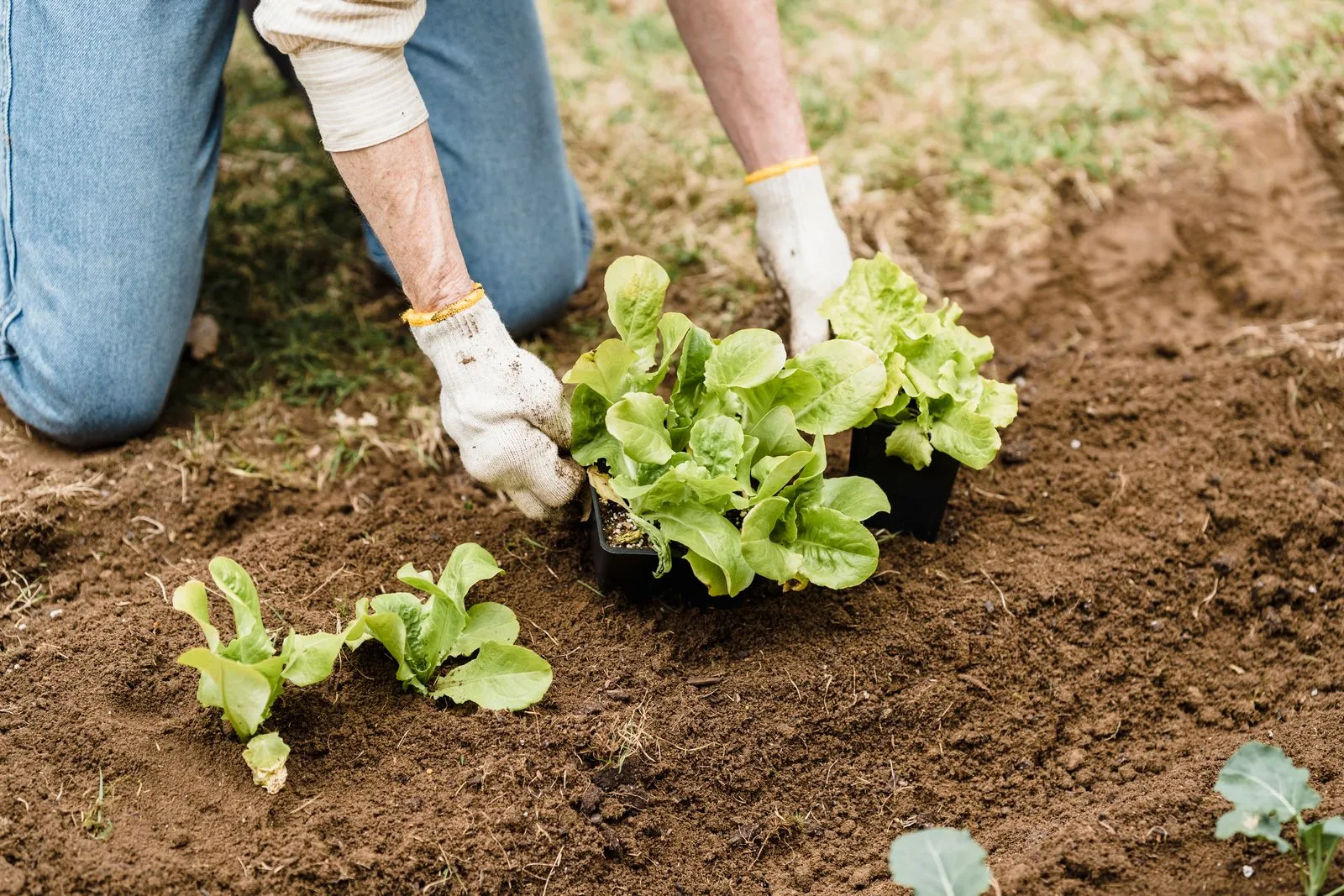
Planting straight away is fine, and it is what most people want to do. The RHS says a no dig bed can be planted as soon as it is made, provided the organic matter on top is well-rotted and at least 10 cm deep. Cut a hole through the cardboard for anything with a substantial rootball, set the plant into the compost, and firm it in.
Measure the lawn you actually use
Before any of this, watch the yard for two weeks and notice where people walk, sit and play. That footprint is your lawn. Everything outside it is a maintenance bill, and the shaded parts are the first to go.
Grass is a full-sun plant, and the numbers are not subtle. NC State Extension puts the floor at less than 50 percent open sunlight, or less than four hours of direct sun a day, being too shady for turfgrass to grow well — and adds that shade from trees brings root competition for water and nutrients on top of the light problem, because most feeder roots sit in the same top 8 inches of soil the grass is using. A thin patch under a maple is not a patch that needs feeding. It is grass losing a fight it will keep losing.
That makes the shaded corner the cheapest place to put a no dig garden. You are not giving up lawn you were using; you are giving up a mowing problem. Take that ground, put the cardboard down, and plant ferns, hellebores or a shade-tolerant ground cover into the compost. Two jobs solved with one delivery of mulch.
The same logic runs along fences and walls, where a strip is awkward to mow and easy to plant. The measure I use is barrow width: if you cannot wheel a barrow down a gap, it is a bed, not a path.
How to shrink your lawn: a 2027 calendar by zone
Here is the part that decides whether the sheet mulching works. Cardboard needs roughly 20 weeks to break down enough to plant into properly, and the two windows that give it that time are autumn and late winter. The plan for how to shrink your lawn in 2027 is therefore mostly about when you start, not what you do.
There is a genuine tension in the advice here, and it is worth naming. Oregon State calls autumn an excellent time to start a lasagna bed, because the material breaks down slowly over the winter and is ready for spring. The RHS warns that mulching in autumn can be wasteful of nitrogen, because winter rain washes it out before plants can use it, and recommends late winter instead. Both are right, about different jobs. If you are building a bed to smother grass and plant into in spring, autumn is the better window. If you are feeding an established bed, wait until late winter so the nutrients arrive when the plants start growing.
| USDA band | 2027 window | What goes down |
|---|---|---|
| Zones 3–4 | Late September to mid-October 2026 | Cardboard, leaves, a thin compost layer. Ready by late May 2027 |
| Zones 5–6 | October 2026, or 8–10 weeks before your last frost (mid-February to mid-March 2027) | Cardboard plus 10–15 cm compost; mulch on top |
| Zones 7–8 | November 2026 to January 2027, or 6–8 weeks before last frost | Cardboard, compost, then plant through it in March |
| Zones 9–10 | December 2026 to February 2027 | Cardboard and compost; plant on arrival, the ground stays warm |
Two cautions about that table. USDA hardiness zones describe the coldest winter temperatures a plant survives, not frost dates, so the zone alone cannot tell you when to start a no dig garden. Your last-frost date comes from your own local data. Penn State’s Master Gardeners give the scale of the spread in one city: the average last frost for central Philadelphia is April 20, and the higher and more outlying parts of the same city run a week or two later. Work from your own median, then count the weeks backwards.
The second caution is that the frost date is a median, not a promise. Half the years will have a frost after it. That matters less for a cardboard bed than for seedlings, because nothing you have planted is above ground yet, but it matters a great deal if you are tempted to plant out in the same week you lay the cardboard.
Where a no dig garden fails
The method has three failure modes, and they are predictable enough to plan around.
The grass comes back through the seams. Not because the cardboard failed, but because two sheets were laid edge to edge instead of overlapped. Texas A&M’s Jayla Fry is blunt about it: every time the cardboard is shredded or holed, that is a potential way in for light, and if light reaches the soil, weeds pop up. Overlap by 8 inches or more everywhere, including at the very edge of the bed, where the lawn will creep in sideways. This is the commonest way a no dig garden fails in year two, and it costs a whole season.
The bed is thick, wet and airless. A pad of cardboard several layers thick slows its own decomposition and holds water above the soil rather than letting it through. That is the interface problem Oregon State warns about, and the fix is thinner layers, a thorough soak, and holes through the upper layers.
The vigorous perennials win. Bindweed, quackgrass, morning glory and blackberry run on roots and rhizomes that outlast a season without light. Oregon State says the method may not smother them, which is an instruction, not a disclaimer: take them out before you start, and expect to keep taking them out for a year.
There is a fourth, quieter failure: laying the bed and then walking on it. Compaction is the thing a no dig bed exists to avoid. Keep to the paths, and if you must cross the bed, put a plank down first.
The edge, the path, and the mowing you get back
The payoff of shrinking the lawn is not moral, it is practical. Every strip you convert is a strip you no longer edge, mow or trim, week after week through the growing season. Fewer awkward corners means the mowing that remains takes a fraction of the time, because the slow part of mowing was never the straight runs.
Keep one thing straight while you are at it: the edge itself. A crisp mown line between a border and the lawn reads as deliberate, and a ragged one reads as a bed somebody gave up on. Spend your effort there rather than on the plants, for the first year at least.
The RHS gives dimensions worth borrowing even in a small yard: beds around 1.2 m wide so you can reach the middle from either side, and paths about 45 cm wide between them. Beds can be as long as the space allows. Those two numbers remove the need to walk on the bed at all, which is the whole point.
What sheet mulching costs you in mulch and hours
The materials are the only real cost, and they are easy to size once you know the depths. A 100-square-foot bed at the RHS’s 10–15 cm of compost needs roughly 1.2 to 1.8 cubic yards — the arithmetic is the area in square feet multiplied by the depth in feet, then divided by 27. Sheet mulching a whole yard is more of the same sum, and it is worth doing before you order anything.
For the mulch layer, 3 inches over the same 100 square feet is about 1 cubic yard. If you have leaves, use them; if a neighbour has leaves, use those too. The RHS’s own warning about no-dig is that buying in large quantities of organic matter carries a production and transport cost, and its answer is to compost what your garden already produces.
Cardboard is the one input most people can get for nothing, and the supply is better than you would expect. Appliance shops, bike shops and furniture deliveries all throw away large, clean, plain sheets, which are exactly the sheets you want because fewer joins means fewer seams to overlap.
Sheet mulching in a small yard
Everything above scales down. In a yard where the lawn is a strip rather than a rectangle, sheet mulching a border 60 cm deep along the fence and around the patio takes one afternoon, and it changes how the whole space reads. The same no dig garden logic applies: take the awkward ground, not the useful ground.
Where there is no soil to plant into at all, the same principle works at container scale, which is the argument in a small patio that feels like a garden room. And if you want the bed to also be somewhere to sit, a mulched border with a bench in it does more for a small yard than another square of grass.
The first season, and what I got wrong
The first bed I laid, I made two mistakes worth passing on. The first was four layers of cardboard, because more seemed safer. It sat wet and slick for a month, the compost above it stayed soggy, and the plants sulked until spring. Thin layers, soaked, with holes punched through, settled in faster and grew better.
The second was laying it in July, in the dry spell we get here, and then not watering it for three weeks. Cardboard that dries out curls at the seams and stops being a barrier at all. If you lay a bed in summer, water it like a new planting until the mulch is down and the seams have settled. Sheet mulching in a heatwave is the one version of this job I would not repeat.
The honest downside is the look. A new sheet-mulched bed is cardboard, bare compost and small plants, and it will look like that for a season. Expect a comment from a neighbour if your yard was the tidiest on the street. The answer is the edge, and the answer after that is time.
A routine that keeps the bed honest
Once the bed is down, the maintenance is three jobs a year. Top up the mulch to 5 cm in late winter, which is the RHS’s annual rate and roughly what a bed loses to decomposition. Pull anything that comes through in the first fortnight of spring, while it is still shallow-rooted. And keep the edge cut, because the lawn will take the ground back otherwise.
For the compost itself, potting mix and compost covers what to buy and what to make, and the spring cleanup order is the right sequence for the beds you already have. More garden builds live under Outdoor Spaces.
A no dig garden is not a trick and it is not a shortcut. It is a way of taking ground that is currently a chore and turning it into ground that grows something, without lifting a spade or hiring a machine. Sheet mulching gives you a bed; the season gives you a garden. Take the two worst strips this year, lay the cardboard in the right window, and see what the second spring looks like.
QUESTIONS GARDENERS ASK
Common questions
What is a no dig garden?
A bed made by covering grass or weeds with cardboard and compost instead of stripping the turf or turning the soil. The cardboard blocks light, the growth underneath dies, and roots go into the compost layer above it. Nothing is dug, so the soil structure and the worms already in it stay where they are.
What is sheet mulching?
Sheet mulching is the technique behind a no dig garden: a continuous sheet of cardboard, newspaper or heavy paper laid over the ground, overlapped so light cannot reach the soil, then weighted down with compost or mulch. Oregon State University Extension describes it as a quick, inexpensive way to protect a bed from weeds, and says the cardboard itself breaks down after several months.
How many layers of cardboard should I use?
Two overlapping layers is the minimum the RHS gives for converting grass, and Oregon State's lasagna method goes up to four to six thin layers with edges overlapped at least 8 inches. Go thin rather than thick: a thick pad of cardboard slows its own decomposition and holds water away from the soil, which is the failure mode Oregon State warns about.
How long does sheet mulching take to kill grass?
Grass under the cardboard is dead within a few weeks in warm weather, because it cannot photosynthesise. The bed itself is not ready to plant for about six months, which is how long the layers take to break down into something that looks and smells like fresh earth. You can plant into a 10 cm layer of compost on top of the cardboard on day one and let the rest finish underneath.
When should I start a no dig garden?
Any time the ground is not waterlogged, but two windows do most of the work. Autumn gives the layers a whole winter to break down, and late winter — February to early March in the RHS's own guidance — avoids the nitrogen that winter rain washes out of an autumn mulch. For a bed you want to plant in spring 2027, count back 20 weeks from your last frost.
How do I get rid of grass without digging?
Smother it. Mow the grass as short as the mower will go, lay overlapping plain brown cardboard over it, soak the cardboard, and cover it with 10–15 cm of compost and 3 inches of mulch. The grass dies from lack of light rather than being cut out, and the soil you are about to plant into is never lifted or compacted.
What can I plant in a no dig garden?
Anything you would plant in a normal bed: shrubs, perennials, annual flowers and vegetables. Shrubs and long-lived perennials are the easiest because the cardboard can stay undisturbed while it breaks down. Annuals need larger openings, or you accept weeding between the plants for the first season.
Can I grow potatoes in a no dig garden?
Yes, and it is one of the better crops for it. Set the seed potatoes on the surface of the compost, cover them with 15 cm of straw or compost, and keep earthing up with more organic matter as the shoots come through. You harvest by pulling the stems, with the tubers sitting in the loose material rather than in soil.
Sources
- Oregon State University Extension — Sheet mulching and lasagna composting with cardboard (EM 9559, revised July 2025)
- RHS — No-dig gardening
- NC State Extension — Selecting and managing lawn grasses for shade
- Texas A&M AgriLife Today — Use cardboard to stop weeds in your garden
- Penn State Extension Master Gardeners — Philadelphia planting guide (average last frost date)
 Outdoor Spaces
Growing Tomatoes in Containers: 5 Simple Rules for Pots
Growing tomatoes in containers works when the pot is measured in gallons: minimum pot volume, watering a small root zone, and varieties that fit a pot. Outdoor Spaces
How to Build a Raised Garden Bed: 6 Simple Steps
How to build a raised garden bed in one weekend: six steps from siting and lumber to a soil mix that drains, plus the 2027 dates to fill it by weather station. Outdoor Spaces
Tomato Plant Care: 7 Simple Rules for a Healthy Harvest
Tomato plant care in seven rules: how much sun and water a plant needs, when to prune, what causes blossom end rot, and a 2027 planting calendar.Reading us often? Add MyGreenyGarden as a preferred source on Google and our guides are more likely to be highlighted when you search.